What is a root canal treatment?
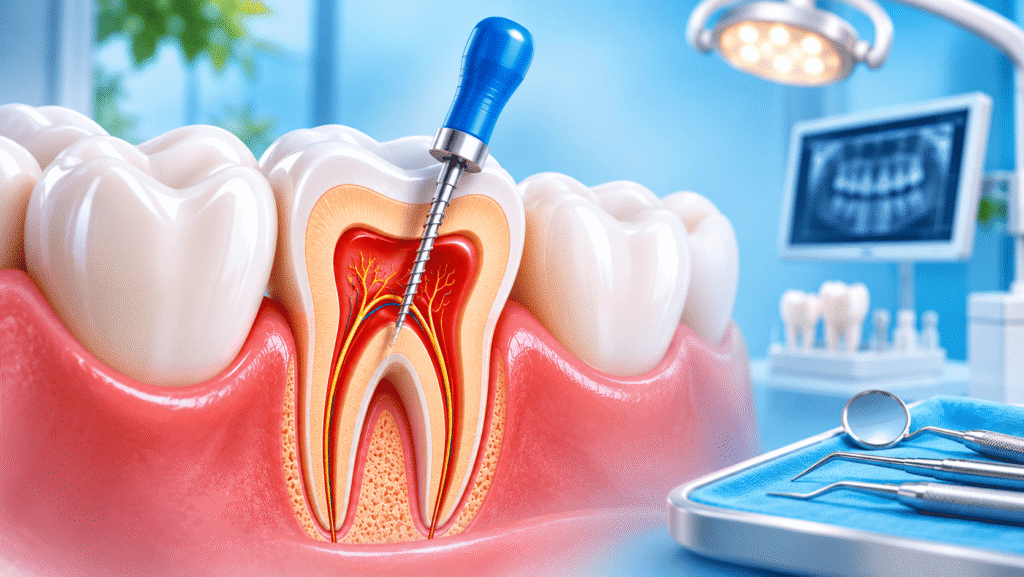
Inside every tooth is soft tissue called the pulp, which contains nerves and blood vessels. When deep decay, a crack or an injury lets bacteria reach the pulp, it becomes inflamed or infected. During a root canal the dentist removes the infected pulp, cleans and shapes the canals, fills and seals them, and then restores the tooth, usually with a crown.
Signs you may need one
Persistent or throbbing toothache, often worse at night • Lingering sensitivity to hot or cold food and drinks • Pain when biting or chewing • Swelling, a pimple-like bump on the gum or a bad taste • Darkening of a tooth after an injury
Four common myths
Myth 1: Root canals are very painful.
With effective local anaesthesia and modern instruments, most patients compare it to getting a routine filling.
Myth 2: Removing the tooth is a better option.
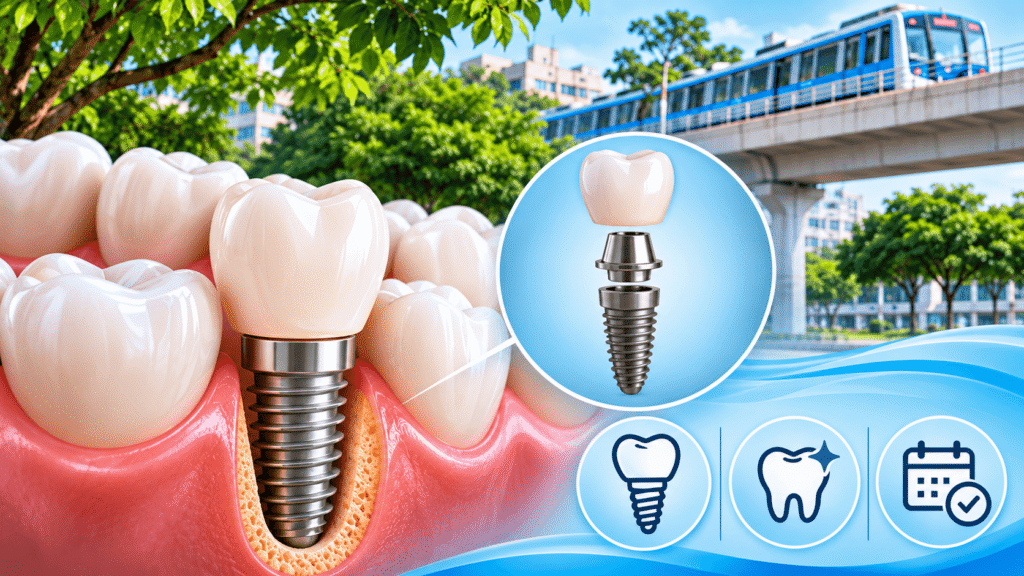
Nothing functions quite like your natural tooth. Extraction leaves a gap that then needs an implant or bridge.
Myth 3: If the pain stops, the problem is gone.
Pain can fade when the nerve dies, but the infection remains and can spread to the bone.
Myth 4: It takes many visits.
Many cases are completed in one or two appointments, depending on the tooth and the extent of infection.
What happens during treatment?
Diagnosis: examination and X-ray to assess the infection. • Anaesthesia: the tooth and surrounding area are numbed. • Cleaning: infected pulp is removed and the canals are disinfected and shaped. • Filling: canals are sealed with a biocompatible material. • Restoration: a filling and, in most back teeth, a crown to protect the tooth from fracture.
Recovery and aftercare
Wait until the numbness wears off before eating. • Avoid hard or sticky food on the treated tooth until the final crown is placed. • Mild tenderness for a few days is normal; contact the clinic if pain or swelling increases. • Do not delay the crown; an unprotected root-canal-treated tooth can crack. • Keep up brushing, flossing and six-monthly check-ups.
Frequently asked questions
How long does a root-canal-treated tooth last?
With a well-fitted crown and good oral hygiene, it can last many years, often as long as your other teeth.
Can I go back to work the same day?
Yes. Most people return to normal activity straight after the appointment.
Is a crown always necessary?
Back teeth nearly always need one because they bear heavy chewing forces. Front teeth sometimes need only a filling; your dentist will advise.